


ian
21,
2026
This guide is for end users, architects/designers, contractors, and building managers who need to choose a fire-rated door and want to quickly ...
ian
21,
2026
This guide is for end users, architects/designers, contractors, and building managers who need to choose a fire-rated door and want to quickly ...
aug
12,
2025
Metal fabrication projects often start with a critical question: What material should I use? Steel, stainless steel (inox), and aluminum are three ...
aug
11,
2025
Industrial metal stairs come in a variety of forms, adapted to the diverse needs of factories, plants, or logistics centers. Among the most common ...
iun
11,
2025
An FPE station (Fire Prevention & Extinguishing) is a first-response point equipped with firefighting tools and emergency accessories, ready to ...
iun
06,
2025
We continuously invest in advanced technologies to meet the increasing demands of our clients. Recently, we integrated two modern laser devices, ...
iun
02,
2025
Fire hydrant boxes are critical components in the fire safety infrastructure of any modern building. Beyond their basic role of housing hoses and ...
sep
30,
2024
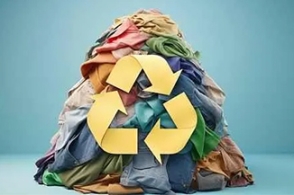
Starting from 2025, Romania, along with other member states of the European Union, will have to implement the separate collection of textile waste ...
sep
13,
2024
Hydrant boxes are special installations designed to house fire-fighting equipment such as discharge hoses, water couplings, discharge pipes, and ...
sep
11,
2024
A fire safety station is a fixed or mobile point, properly equipped with materials and equipment for firefighting. Its main role is to ensure ...
mai
29,
2024
Electrostatic painting is a method of applying paint to metal fabrications, renowned for its efficiency in providing a uniform and durable finish.
mai
28,
2024
Metal Fabrications - What metal processing entails, explore trends, technologies, and best practices in this dynamic field.
mai
27,
2024
Laser cutting is a modern and precise method of shaping metals for metal fabrication, renowned for its accuracy and speed. It uses a high-power ...

In a fast‑evolving industrial landscape, metal fabrication is the backbone of many critical sectors, from construction to automotive and aerospace manufacturing. Metalworking encompasses a wide range of processes that transform metals into components, subassemblies, or finished structures using techniques such as cutting, bending, welding, and assembly.
The origins of metal fabrication date back to ancient civilizations that began extracting and shaping metals to create tools, weapons, and other objects essential to societal development. Today, thanks to technological progress, the metal fabrication industry has reached levels of precision and efficiency unimaginable in the past. Modern technologies such as laser cutting and CNC machinery have completely reshaped the fabrication landscape, exponentially increasing throughput and the quality of finished products.
The role of metal fabrication in the global economy is indisputable, forming the foundation of vital sectors that drive continuous development and modernization. From massive steel structures used in buildings and bridges to micrometer‑level precision parts for the electronics or medical industries, metal fabrication is ubiquitous.
In the metal fabrication industry, core processes such as cutting, bending, welding, and assembly are fundamental to transforming raw metal into high‑quality finished products. These processes benefit from ongoing technological innovation that improves both efficiency and precision.
Metal cutting is the first step in metal processing. Modern technologies like the TruMatic 1000 fiber deliver superior laser cutting capabilities. This advanced equipment uses fiber laser technology to perform fast, precise cutting, significantly reducing production time and improving cut quality. Its flexibility and accuracy enable complex shapes—ideal for custom work or small‑batch production, typical for many companies in metal fabrication.
Metal bending is essential for giving materials their intended forms. Here, the TruBend Center 7030 excels as a high‑performance bending center that ensures precise control and flexibility in handling metal. Equipped with state‑of‑the‑art technology, it can process a wide variety of thicknesses and metal types while maintaining impeccable accuracy. This capability makes it indispensable for producing complex metal components—from large construction elements to fine parts for technical equipment.
Welding joins cut and bent parts into robust structures. Welding techniques must be tailored to the metal type and the product’s final requirements. Innovations such as automated and robotic welding increase productivity and deliver higher‑quality joints—critical factors in most metal fabrication projects.
Final assembly brings all components together into the finished product. This stage can range from simple assemblies requiring manual fastening to fully automated processes that use advanced robots to assemble complex structures. Efficiency in assembly is vital to minimize production costs while maximizing the quality and durability of finished products.
By adopting these advanced technologies and continually optimizing processes, the metalworking industry not only meets market demands but also sets new standards of excellence in manufacturing. These technologies enable manufacturers to take on more ambitious projects and deliver products that exceed customer expectations for quality and performance.
The metal fabrication industry is evolving rapidly thanks to technological innovations that continue to transform manufacturing processes. Major advances in automation and metal processing technologies enable the production of more complex, higher‑precision parts. In this context, MAR-INA PRODPREST has acquired two systems: the TruMatic 1000 fiber and the TruBend Center 7030.
TruMatic 1000 fiber is a benchmark for laser cutting technology. This advanced system combines the flexibility and speed of laser cutting with the precision of punching, offering a versatile solution for metal fabrication. With the ability to process a wide range of materials, including thin sheets and medium thicknesses, the TruMatic 1000 fiber is ideal for fast, efficient production. Using this system in manufacturing significantly shortens lead times and boosts efficiency, enabling components with complex geometries and tight tolerances.
By contrast, the TruBend Center 7030 redefines what’s possible in metal bending. This bending center offers advanced automation and the ability to handle parts of various sizes with unparalleled precision. The TruBend Center 7030 is engineered to maximize productivity by reducing setup time and executing bending operations quickly. Its adaptability to diverse requirements makes it a top choice for metal fabrication manufacturers who need production flexibility and consistent product quality.
Adopting these advanced technologies not only improves production capacity but also contributes to industry sustainability. Energy efficiency and waste reduction are two key benefits of integrating modern equipment into production lines. The TruMatic 1000 fiber and TruBend Center 7030 exemplify this direction by using resources in ways that minimize environmental impact.
As metal processing moves toward greener, more efficient production, technologies such as the TruMatic 1000 fiber and TruBend Center 7030 are essential. They not only ensure market competitiveness but also support the transition to sustainable manufacturing practices. Integrating these advanced systems is a crucial step for any metal industry producer seeking to enhance the quality, efficiency, and sustainability of their operations.
Thus, the future of metal fabrication is closely tied to innovation and adaptability, with emerging technologies playing a central role in shaping the industrial landscape. Companies that embrace these technologies not only meet modern demands but also help shape the future of metal manufacturing globally.
Sustainability is essential to modernizing industrial practices, and the metal fabrication sector is no exception. Companies in this field are adopting eco‑friendly strategies to reduce environmental impact and improve energy efficiency. Metal recycling is a central pillar of these sustainable practices. By recycling, materials are reintroduced into the production cycle, minimizing the need for raw resource extraction and reducing carbon emissions.
Using advanced technologies such as laser cutting systems and automated processes also contributes to greener manufacturing. These technologies optimize material utilization while reducing energy consumption and waste. For example, the TruMatic 1000 fiber and TruBend Center 7030, thanks to their energy efficiency and precision, are essential in lowering the carbon footprint of production processes.
ISO certifications are another crucial aspect of the metal fabrication industry’s commitment to sustainability and quality. ISO 9001:2015 for quality management systems and ISO 14001:2015 for environmental management systems are international standards ensuring that manufacturing processes meet the highest criteria for efficiency and environmental responsibility. ISO‑certified companies demonstrate a constant focus on improving product quality and reducing environmental impact.
Implementing these certifications ensures that we at MAR-INA PRODPREST adopt sustainable practices by efficiently monitoring and managing resource consumption, thereby striving to minimize waste and pollution.
The metal fabrication industry faces numerous challenges, from fluctuating material prices to rising demands for precision and efficiency. However, technological innovation provides solutions that not only address these issues but also open the door to new development opportunities.
One of the most pressing challenges is material cost. Volatile metal prices can significantly affect profit margins. To mitigate this, many metal fabrication companies are adopting strategic sourcing and working closely with suppliers to secure better pricing and contracts that minimize the impact of fluctuations. Additionally, optimizing production through advanced technologies can reduce both material usage and waste.
Energy efficiency is another ongoing challenge. Many operations within metal manufacturing consume significant amounts of energy, increasing both costs and environmental impact. The solution lies in integrating energy management systems that optimize consumption and identify savings opportunities. Technologies such as high‑efficiency electric motors and LED factory lighting can substantially reduce energy use.
Moreover, the shortage of skilled labor is a major concern. As the older generation of craftsmen retires, the industry faces a knowledge gap. Solutions include investing in employee training and education, as well as automating processes to compensate for limited experience. Apprenticeship programs and partnerships with technical education institutions can ensure a steady pipeline of well‑prepared talent.
While complex, these challenges give the metal fabrication industry opportunities to innovate and continuously improve manufacturing practices. By adopting modern technologies and taking a strategic approach to resource management, companies can overcome obstacles and thrive in a constantly changing business environment.
The future of metal fabrication is defined by innovation and rapid technological adaptation. The sector is in constant transformation, with significant advances in materials, technologies, and manufacturing processes that promise to redefine quality and efficiency standards.
One promising direction is the integration of artificial intelligence (AI) and machine learning into production systems. These technologies enable real‑time monitoring and adjustment of manufacturing processes, increasing precision and minimizing material waste. AI can analyze production data to identify trends, anticipate issues, and optimize workflows—lowering costs and improving lead times for metal fabrication.
Sustainability will also play a central role in the industry’s evolution. With mounting pressure to reduce carbon footprints and use resources responsibly, green technologies are becoming essential. Advanced metal recycling, the use of renewable energy in production, and innovations in eco‑friendly materials are just a few aspects that will define sustainability in metal fabrication.
Customization and adaptability will likewise shape future production requirements. Digital manufacturing technologies, such as 3D printing, will allow producers to deliver customized products at scale. This capability will attract new industries and customers, opening up additional markets for metal fabrication.
In conclusion, the future of metal fabrication is vibrant and full of opportunity, with challenges that fuel ongoing innovation. Embracing emerging technologies and committing to sustainable practices are essential to remain competitive in a dynamic global market. Manufacturers that adapt quickly to these trends will be the ones shaping the future of the metal fabrication industry.
As we conclude this exploration, it’s clear the industry is at an inflection point where innovation and technology are redefining tradition. This journey has offered insight into how advanced technologies, sustainability, and market adaptation are shaping the future of metal fabrication.
Every advance and every innovative solution discussed underscores the metal fabrication industry’s commitment to efficiency, quality, and environmental responsibility. With these pillars as a foundation, the industry not only addresses current challenges but also paves the way toward new technological and commercial horizons.




Comments : 0